
Body awareness
Exercises for strengthening contact with the physical body and the emotional body, and how shifting between these facilitates autonomic and emotional regulation.
2-day course · Copenhagen
A 2-day course in embodied presence and interoceptive awareness — for yourself and your therapeutic work.

The course offers a space for you to land deeper in contact with your body as an essential part of who you are. One of its core strengths is that we explore the felt body from two horizons:
"It tingles, vibrates, flickers and pulls you in"
— Your inner life
The concrete experience of the body — the feeling of weight, breath, muscles tensing or releasing. A grounding anchor.
The subtler movements of your inner life — what flickers, pulls, or draws you toward something. The substrate of your emotions.
This course offers practical support for your self-care and your clinical work
As a psychologist or psychotherapist, you belong to one of the professional groups most at risk for burnout and compassion fatigue. The course gives you tools to:

The body is key in affect-focused and relational therapy, and is gaining increasing attention in CBT — but is often missing in clinical education. This course offers you:
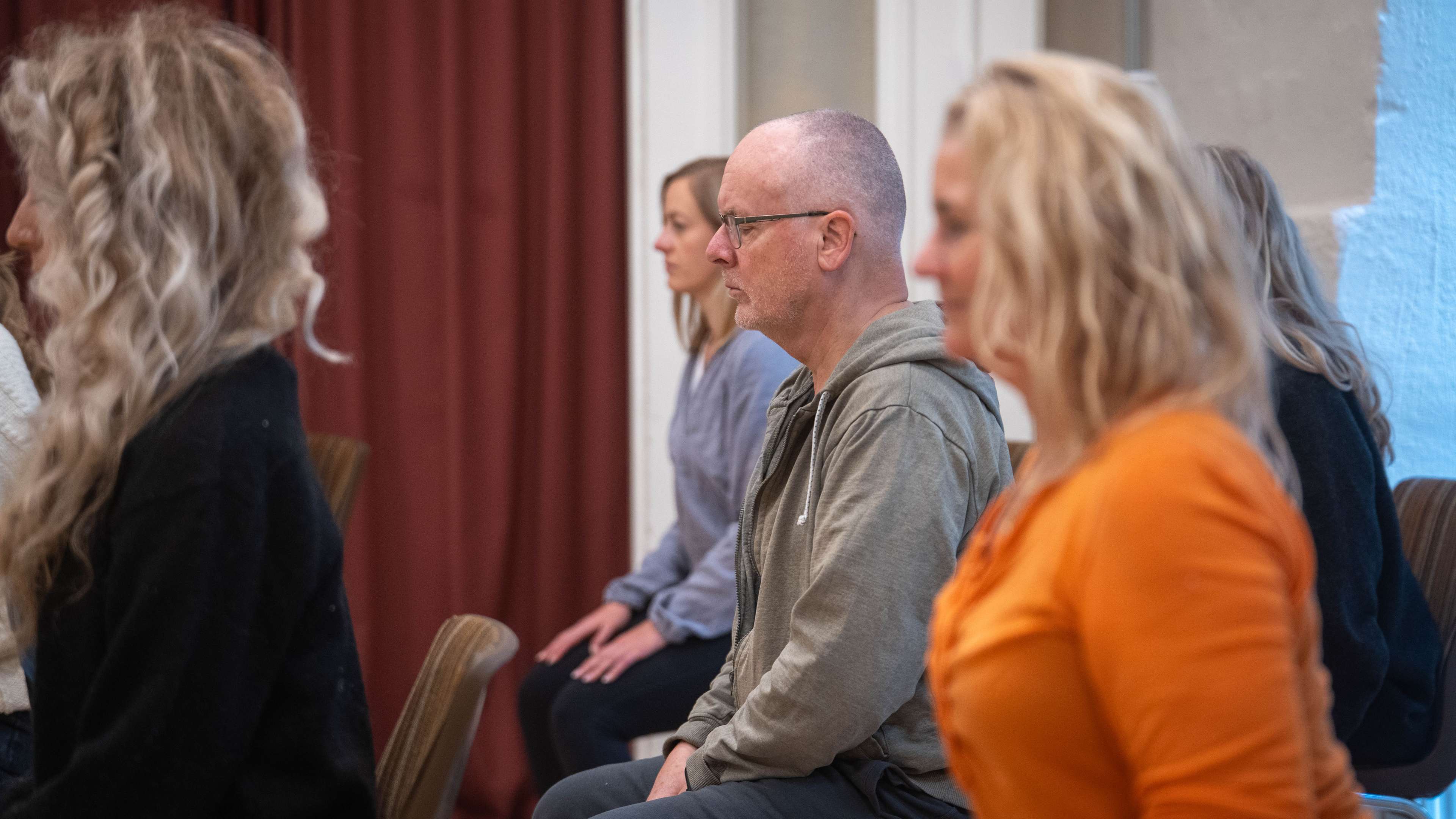
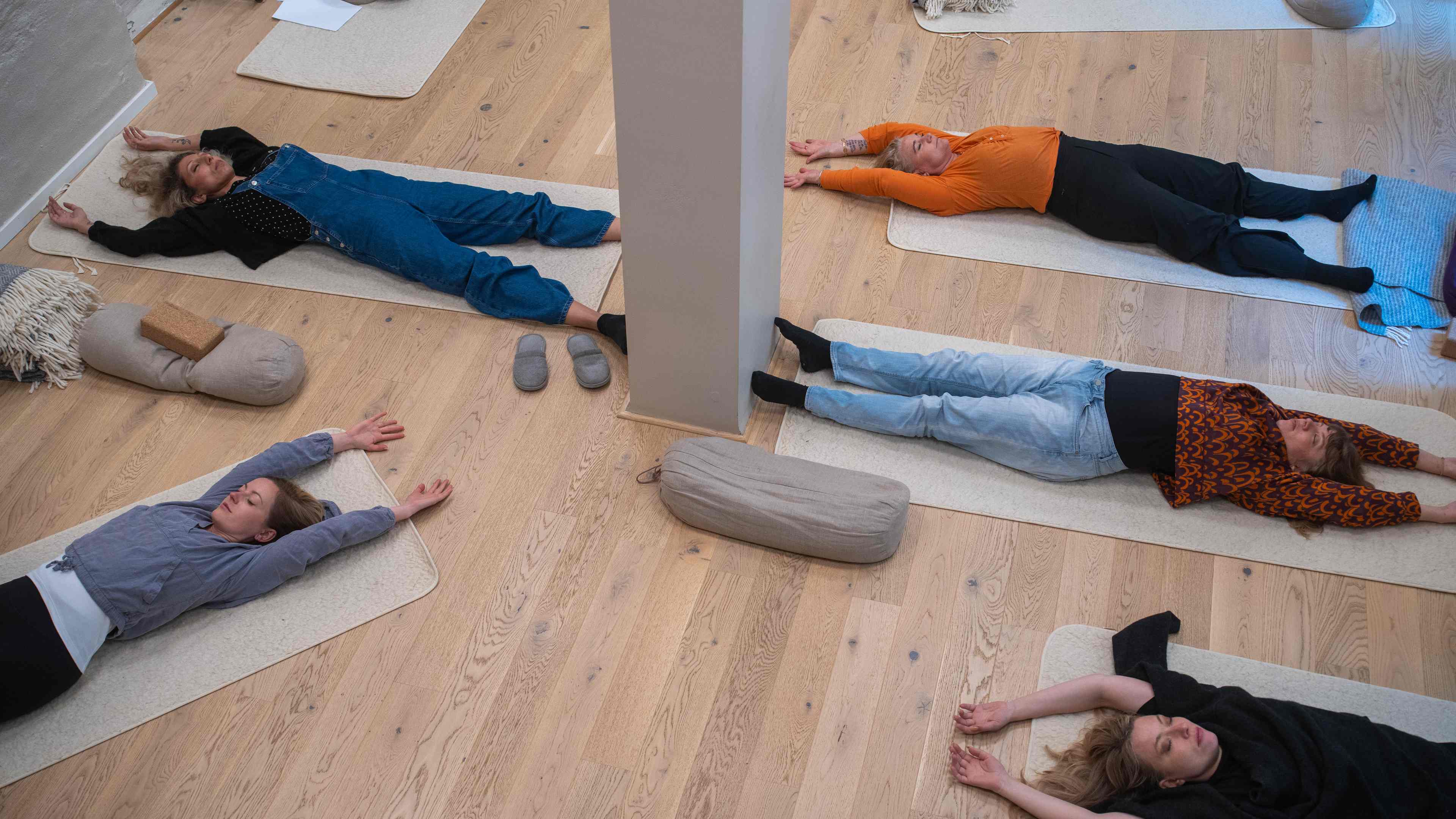
We work with exercises that integrate both the physical body and the emotional body.
Exercises for strengthening contact with the physical body and the emotional body, and how shifting between these facilitates autonomic and emotional regulation.
Exercises in pairs where we explore non-verbal interaction — how we intuitively perceive signals, curiosity, and boundaries in contact with another person.
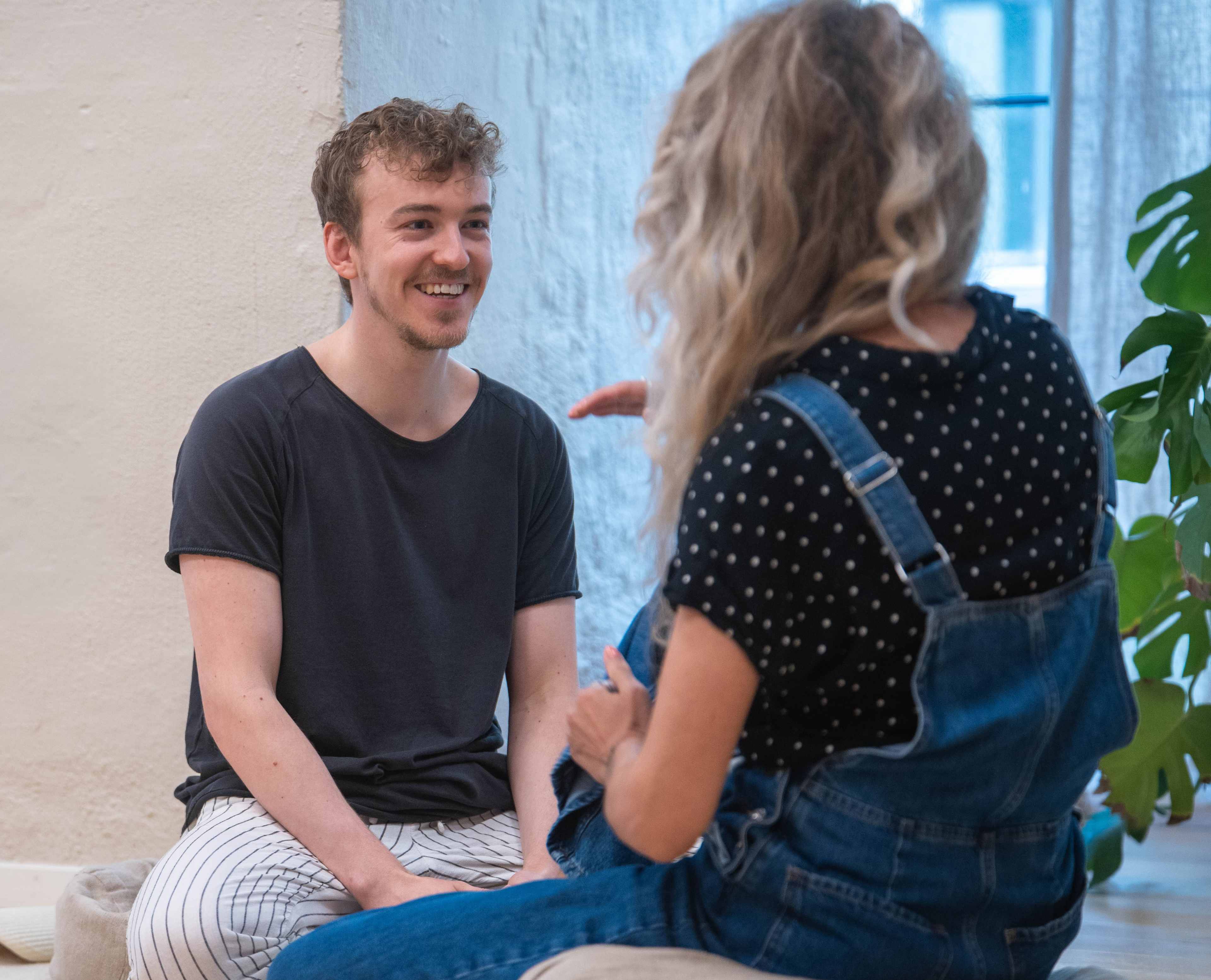
In the presence of another, you can go deeper. It becomes easier to feel and to stay focused — being witnessed has a calming, deepening effect.
You will receive access to recorded lectures covering theory and background — the body as subject, interoception, and autonomic regulation. A conceptual foundation to bring with you when we meet.
During the course days, we focus entirely on the experience. With the conceptual foundation in place, you can go deeper into contact with the body — in solo exercises and in pairs, with time to reflect and integrate.
You arrive with a conceptual framework — and during the course days, you can let go of theory and immerse yourself in your own process. The two days belong to the experience.
The course is grounded in established theoretical frameworks:
These perspectives provide the course's conceptual foundation — an evidence-informed framework for experience-based work.
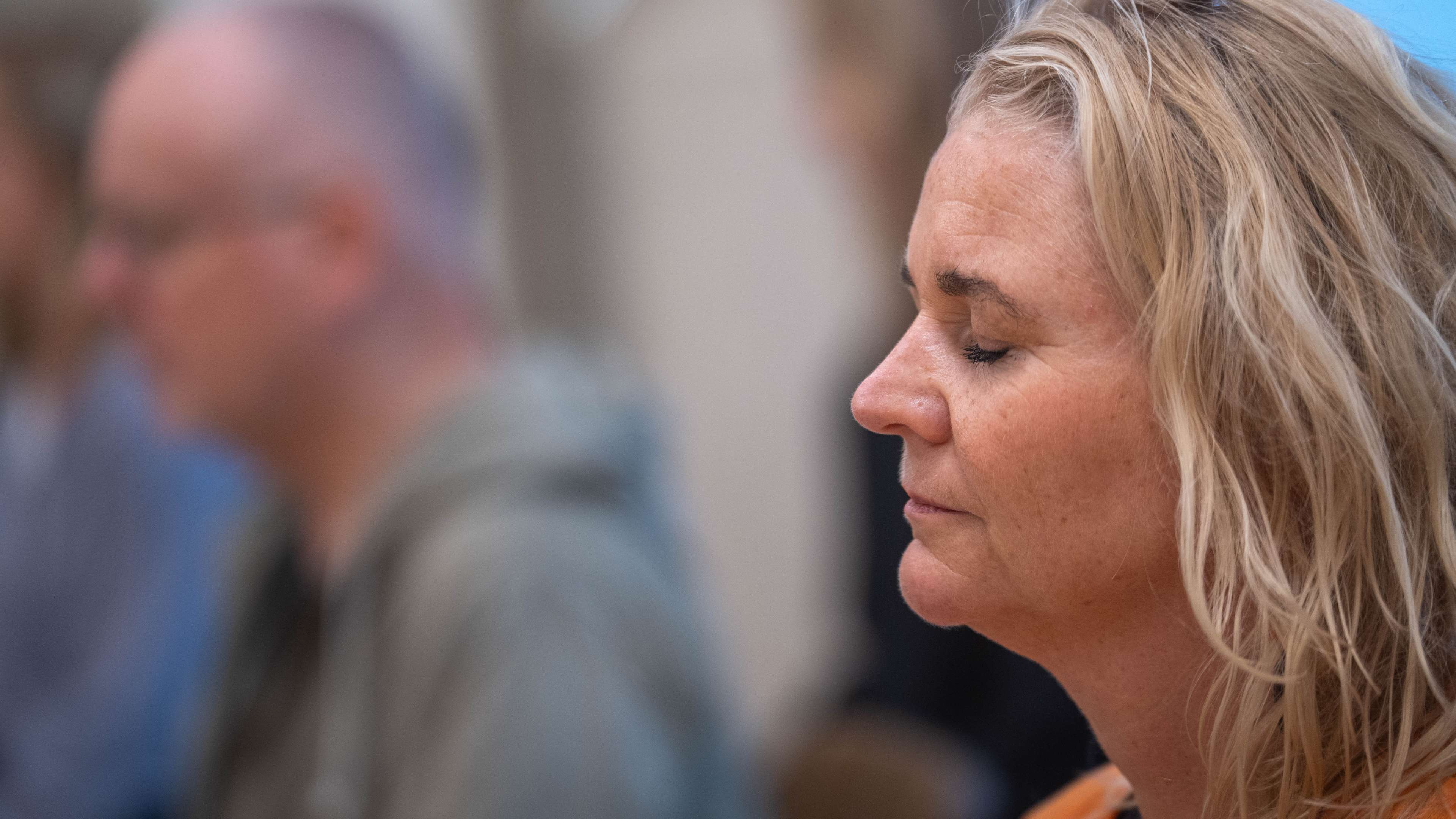
This course is suited to you if you:
Whether you work psychodynamically, existentially, systemically, with EFT, or with CBT — the course gives you a basis for integrating the body more fully into your framework.
No previous experience of somatic work is required. Curiosity is enough.
Participants from the first courses in southern Sweden:
“I was surprised by how strong the feelings were that arose in the physical exercises — especially around boundary-setting. And practising sensing another person's inner world through my own body, while staying grounded in my own inner experience — that was unexpectedly powerful, and something I was able to bring straight into the therapy room. I've also drawn on it a great deal in my personal life. The course is a reminder that the body is a direct gateway to our emotional life.”
“As a psychotherapist with many years of experience, I felt the course reawaken something that had been quietly dormant — and give it new life. The focus on what is life-giving, not what is difficult, was liberating. A beautifully tuned metaphor that opened deep contact with the feeling life in the body has become invaluable in the therapy room — and something I carry with me in my own life too. Fredrik's empathic and attentive way of leading creates a safe enough space that you dare to let your guard down and be fully present with what arises.”
“I already work in a body-oriented way, and yet I was surprised by how quickly feelings and insights arose — especially in the relational exercises. Fredrik's playful approach quickly created a sense of safety in the group where you dare to stay with what comes up. The course strengthened my body-oriented therapeutic work and deepened my own inner listening.”
Upcoming course dates
All dates include a 2-day course and online lectures.
No previous experience of somatic work or embodiment is required. The course is designed for psychologists and psychotherapists who are curious about bringing the body more into their work — wherever you are in that journey. It is equally suited to those who are completely new to body-based practice and those who already work in a body-oriented way.
Yes. An important part of the course is about using the body as an anchor for self-care. We work just as much with discovering ease and resources in the body as with exploring challenging experiences. Many participants are surprised by how quickly they can access positive bodily experiences. The course gives you tools to stay grounded in yourself while being present with another, to regulate through the body, and to make contact with your own boundaries before they are crossed. Some participants begin with their own wellbeing and later discover the value in their clinical work — others the opposite. Both dimensions reinforce each other.
Yes. If your work centres on meaning, on the story, on what happens in the relational space — this course gives you a way to bring the body into that space. Not as a separate technique, but as something that deepens what you already do. As a therapist working systemically or narratively you have probably noticed that things happen in the body during a session — a shift in posture, a change in breathing, a moment where your client pulls back — but don't yet quite know how to follow up on that. The course offers exactly that: a way to include the body in the therapeutic encounter, enriching your existing approach rather than replacing it.
The course gives you practical tools for working with interoceptive awareness and autonomic regulation — directly connected to how emotional regulation is understood in CBT. Modern CBT places increasing emphasis on the role of the body in experiencing and managing emotions — from interoceptive exposure in panic disorder to acceptance-based approaches in ACT. Research also suggests that interoceptive awareness is linked to more successful cognitive reappraisal of difficult emotions, indicating that body awareness can strengthen cognitive techniques. Within DBT, for instance, several core skills are already somatic — and a stronger interoceptive awareness can help both therapist and client pick up on the body's signals early in the stress response. The course deepens your connection with your body in a way you can integrate into your therapeutic practice, whether you work with exposure, ACT, DBT, CFT, or other approaches.
Polyvagal theory has contributed psychologically useful concepts for understanding how the autonomic nervous system influences regulation, safety, and social engagement — while the theory's specific neurophysiological assumptions remain debated in the research field. We therefore use these concepts as a pedagogical framework: an accessible way of understanding the shifts between activation and rest. The course's broader theoretical grounding rests on research in interoception, autonomic regulation, and embodied cognition. In practice, this means we work with the direct experience of how the nervous system shifts between different states, and how you can regulate yourself by returning to the body.
Yes. Many of the exercises can be adapted for the therapy room. The course gives you a deepened bodily presence that directly affects how you meet clients — as well as concrete tools you can integrate into your therapeutic approach.
Whatever you feel comfortable in and can move freely in. No part of the course requires any special clothing.
In central Copenhagen. The exact address will be available when you register for your chosen course date.
The courses are held in English. Fredrik, who leads the courses, is Swedish and fluent in both English and Swedish — so if a Scandinavian concept or nuance needs a moment of clarification, that's always possible.
The course content is grounded in current research on embodied cognition, interoception, and autonomic regulation — fields demonstrating how the body plays a central role in how we think, feel, and regulate ourselves. The theoretical framework also includes phenomenology and relational theory. You can read more about the theoretical perspectives under About.
No. Exercises are adapted to your body and your situation. This is about presence and contact — not performance or physical capacity. No level of fitness is required.
You leave the course with material and exercises to continue exploring on your own — both for self-care and to integrate into your therapeutic work. If you want to go further, I offer individual sessions and plan to offer advanced courses for those who wish to deepen their practice.
We send a newsletter when new course dates are released and share opportunities for further development.
The course can be the beginning of a deepened contact with yourself and your body. I offer individual in-depth sessions to continue your process, and will also offer advanced courses for those who want to go further.